Hoax Legal-Tender Tweet Sends Bitcoin to $110 K amid Paraguay’s Wave of Cyber Attacks
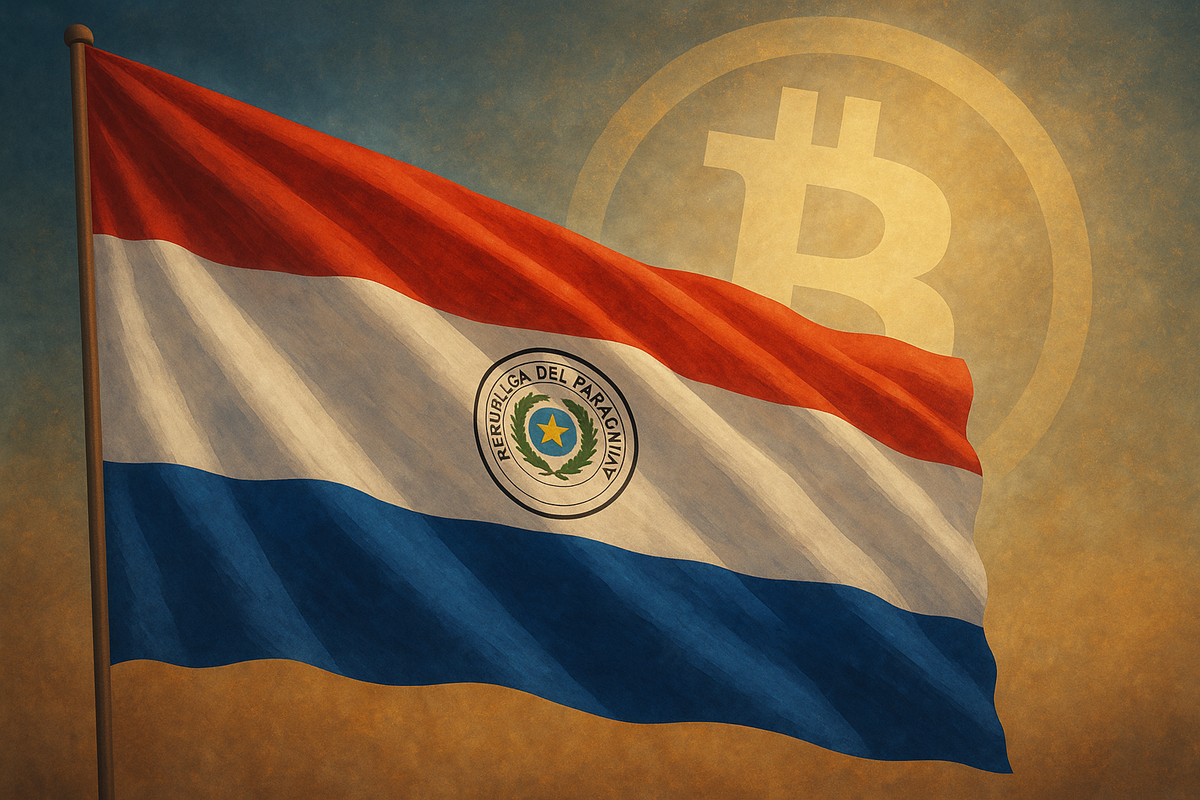
Paraguay’s government is still reeling from a ransomware-style extortion in which a crew calling itself Brigada Cyber PMC copied and then dumped more than 7 million citizens’ identity records, effectively the whole country, after officials refused to pay a $7.4 USD million demand, or about “one dollar per Paraguayan.”
Because crypto rails remain the easiest way to shift illicit cash across borders, investigators say the payment instructions circulated on dark-web forums referenced Bitcoin and Monero wallets, echoing the playbook of well-known ransomware affiliates. Even though the state held firm, the public learned that three separate civil-registry systems had been siphoned off long before anyone noticed, underscoring how attractive lightly defended national databases are to financially motivated actors who can instantly launder proceeds through mixer pools.
Barely 48 hours after the leak deadline, President Santiago Peña’s verified X account was hijacked and used to announce, falsely and in English, that Paraguay had made Bitcoin legal tender and set up a $5 million BTC reserve fund. The hoax linked out to a donation wallet and, for about fifteen minutes, whipped Bitcoin up above $110 000 as trading bots and momentum chasers piled in before the government could issue a denial and delete the post.
By pouring an entire national ID trove onto torrent trackers, Brigada Cyber PMC has given fraud crews ammunition for SIM-swap takeovers, fake “government airdrop” phishing texts, and credential-stuffing attacks on local exchanges and wallet providers; Resecurity analysts warn that the data can be cross-referenced with social-media breadcrumbs to build highly convincing impersonations of virtually any Paraguayan.
Ironically, the crisis hits a country that has spent the past few years courting Bitcoin miners with surplus hydroelectricity from the Itaipú dam. More than sixty industrial-scale farms already draw on surplus power, injecting over $1 billion in hardware investment, but also fueling a grey market of illegal rigs that siphon energy and spark public backlash. The data-breach fallout is now sharpening calls in Congress for stricter know-your-customer rules on mining hosts and exchange on-ramps.
Facing a wave of reputational damage, President Peña rushed out a National Cybersecurity Strategy on June 17th that promises mandatory security audits for state agencies, a modern data-protection bill, and tougher oversight of virtual-asset service providers. Critics applaud the ambition but doubt whether CERT-PY’s current budget and head-count can keep pace with adversaries who move in crypto time.
For the wider Latin-crypto ecosystem, Paraguay’s ordeal is a cautionary tale: abundant green power and progressive rhetoric can draw capital, but lax digital defenses and ad-hoc regulation can just as quickly erode trust, especially when the same Bitcoin that powers new industries also underwrites nation-scale shakedowns.